

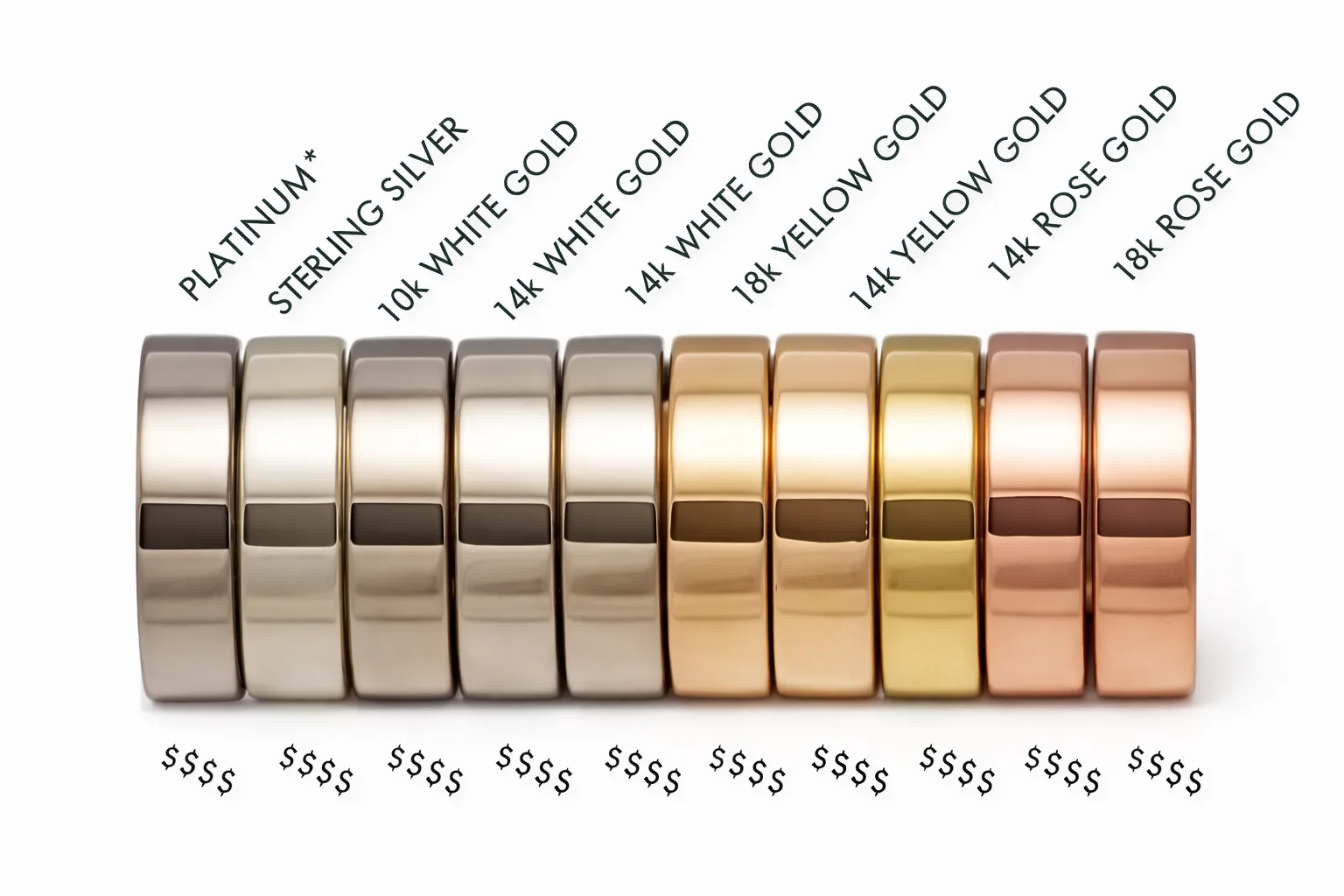
Jewelry Materials Explained: How to Choose the Right Material for Your Jewelry

When shopping for jewelry, design is often the first thing people notice—but the material is what truly determines durability, comfort, and long-term value. Understanding different jewelry materials can help you make smarter choices, whether you’re buying everyday pieces or meaningful gifts.
In this guide, we’ll break down the most common jewelry materials, explain their pros and cons, and help you choose the best option for your lifestyle.
Why Jewelry Materials Matter
Jewelry materials affect more than just appearance. They directly influence:
- How long the jewelry lasts
- Whether it causes skin irritation
- How much maintenance it requires
- How suitable it is for daily wear
Choosing the right material means your jewelry will not only look good—but stay beautiful over time.
Common Jewelry Materials and Their Characteristics
Sterling Silver (925 Silver)
Sterling silver is one of the most popular materials in modern jewelry.
Pros
- Elegant, timeless appearance
- Suitable for sensitive skin
- Easy to polish and restore
Cons
- Can tarnish when exposed to air and moisture
- Requires regular care
Best for: Everyday jewelry, minimalist styles, thoughtful gifts
Gold Jewelry (Solid Gold & Gold Vermeil)
Gold jewelry comes in different forms, each with unique benefits.
Solid Gold
- Long-lasting and highly valuable
- Does not tarnish or corrode
- Higher price point
Gold Vermeil
- Thick gold layer over sterling silver
- More affordable than solid gold
- Requires gentle care
Best for: Statement pieces, special occasions, long-term collections
Stainless Steel
Stainless steel is known for strength and modern appeal.
Pros
- Extremely durable
- Resistant to rust and tarnish
- Low maintenance
Cons
- Less flexible for intricate designs
- Heavier feel than silver
Best for: Daily wear, minimalist or unisex jewelry
Brass and Alloy Jewelry
These materials are often used for fashion-forward or trend-based designs.
Pros
- Affordable
- Easy to shape into bold styles
- Popular for statement jewelry
Cons
- May tarnish over time
- Not ideal for sensitive skin
Best for: Trend pieces, occasional wear, fashion experimentation
Which Jewelry Material Is Best for You?
Ask yourself these questions before choosing:
- Will I wear this daily or occasionally?
- Do I have sensitive skin?
- Do I prefer low-maintenance jewelry?
- Am I buying for style, durability, or long-term value?
Quick guidance:
- Daily wear → Sterling silver or stainless steel
- Sensitive skin → Sterling silver or solid gold
- Trend-driven looks → Brass or alloy
- Investment pieces → Solid gold
Final Thoughts
Understanding jewelry materials helps you shop with confidence and care for your pieces properly. Whether you prefer timeless silver, luxurious gold, or durable stainless steel, the right material ensures your jewelry fits both your style and lifestyle.
In the next article, we’ll dive deeper into material comparisons to help you choose between similar options with ease.